Treviso, a picturesque city in the Veneto region of northern Italy, is filled with hidden gems that offer visitors a rich mix of history, culture, and natural beauty. Whether you're interested in art, food, or simply soaking up the Italian atmosphere, here’s what to do when you visit Treviso:
Explore Piazza dei Signori and Palazzo dei Trecento
Start your visit in the **Piazza dei Signori**, the beating heart of Treviso. The square is surrounded by elegant arcaded buildings and bustling cafés, where you can sit back and people-watch while sipping a coffee. Don’t miss the historic **Palazzo dei Trecento**, a medieval structure that once housed the city’s governing council. It’s a testament to Treviso’s long and vibrant history.
Visit the Treviso Cathedral (Duomo di Treviso)
The **Duomo di Treviso**, with its imposing neoclassical facade, is home to impressive artworks, including frescoes by Titian. The crypt is particularly fascinating, as it dates back to the early Christian period and adds a layer of mystery to your visit.
Stroll Along Treviso’s Canals
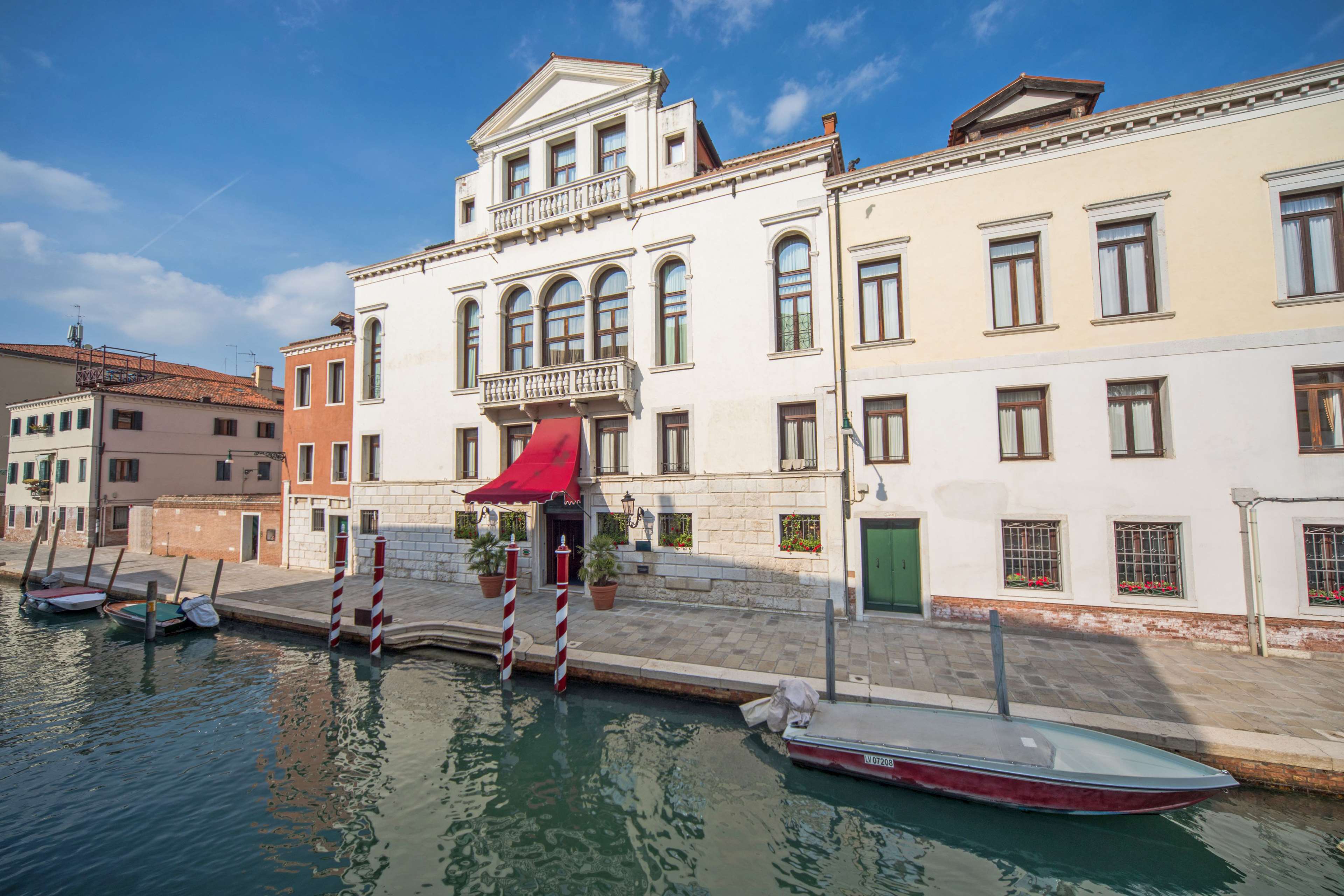
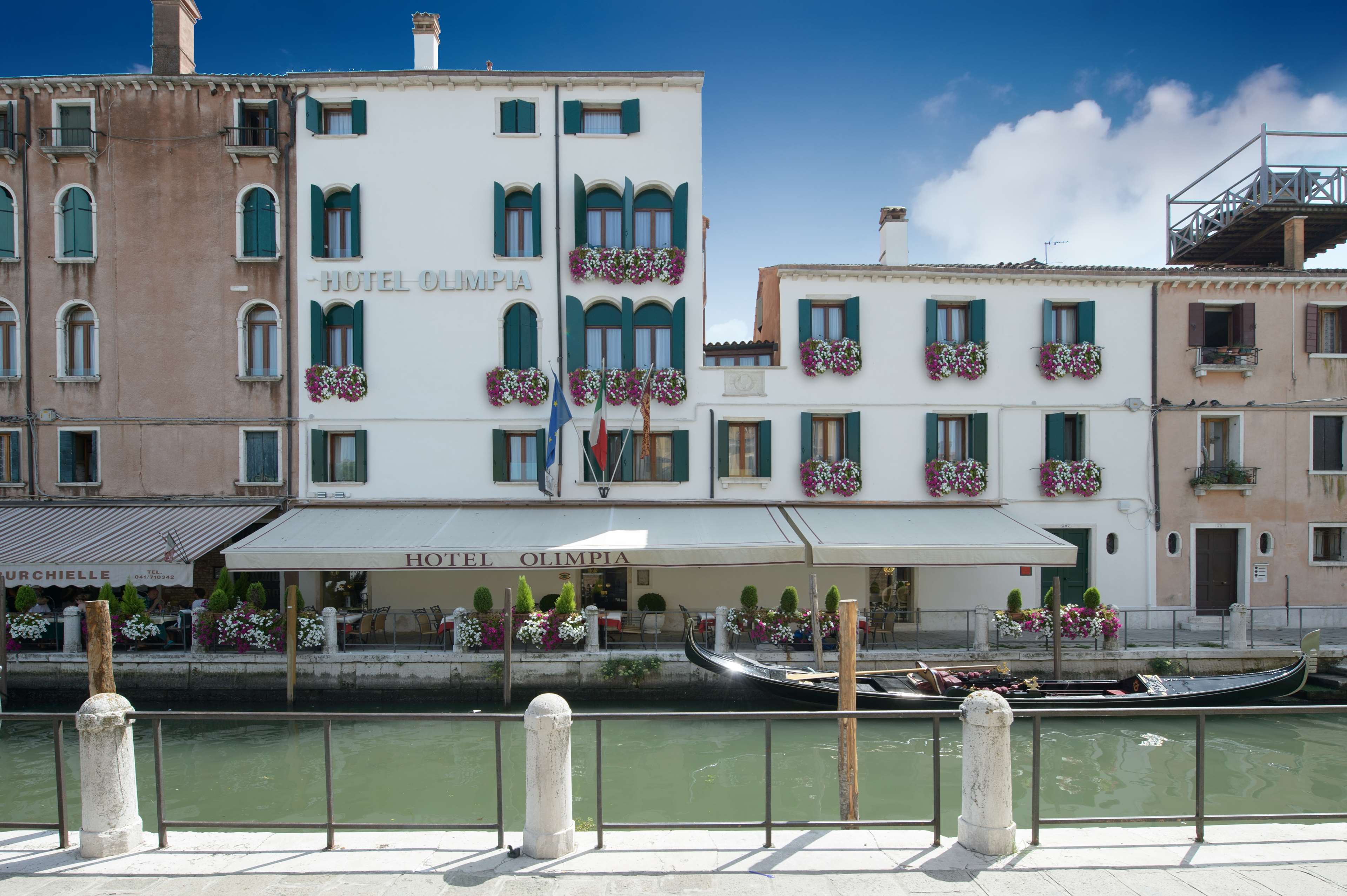
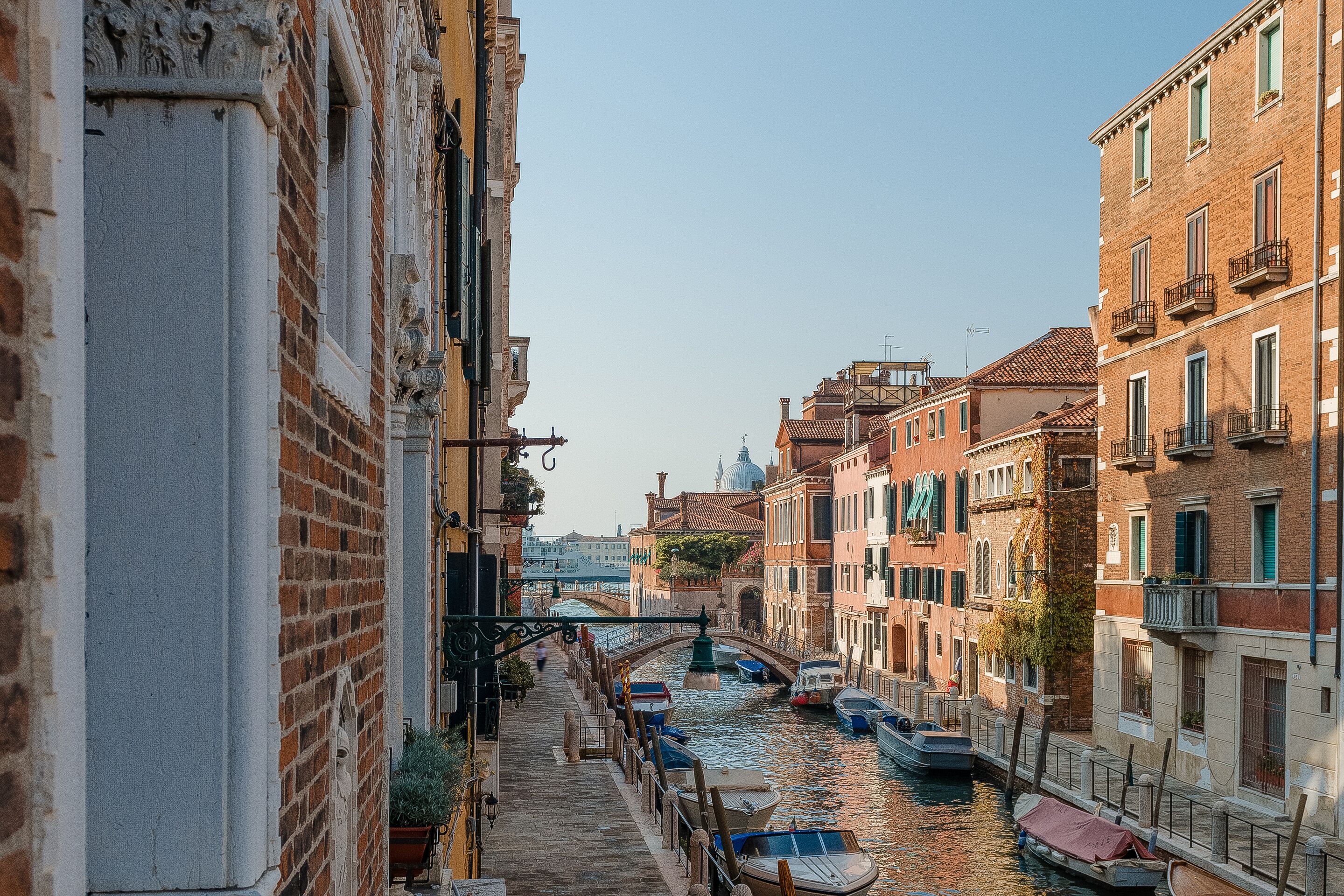
Treviso’s quiet canals meander through the city, reminiscent of a miniature Venice, but with a more relaxed vibe. Walk along the **Cagnan** and **Buranelli** canals, where you’ll find charming footbridges, historic waterwheels, and stunning views of pastel-colored buildings reflected in the water. The **Ponte Dante** bridge, named after the poet Dante Alighieri, offers a beautiful panorama of the city’s waterways.
Discover Medieval Walls and Gates
Treviso’s medieval city walls and gates, built between the 15th and 16th centuries, are still remarkably well-preserved. Walk along the walls for fantastic views of the city, or visit the monumental **Porta San Tommaso**, one of the main gates that once defended the city from invaders.
Enjoy Treviso’s Art Scene
For art lovers, Treviso offers several galleries and museums. The **Museo di Santa Caterina** is the city’s premier museum, housed in a former convent, and showcases beautiful frescoes, archaeological artifacts, and Renaissance works. The **Luigi Bailo Museum** is another must-see for its collection of modern art, particularly focusing on the 19th and 20th centuries.
Savor Local Cuisine and Wine
Treviso is famous for its food and drink. Don’t miss the opportunity to try **Tiramisù**, the city’s most famous dessert, which was invented here. The local **Radicchio di Treviso**, a bitter yet delicious red chicory, is often featured in pasta dishes or grilled as a side. Pair your meals with a glass (or two) of **Prosecco**, as the vineyards of the Prosecco Hills are just a short drive from the city.
Relax at Parco Naturale Regionale del Fiume Sile
For nature enthusiasts, a visit to the **Sile River Regional Park** offers a peaceful escape from the city. The park features a network of trails perfect for walking, cycling, or birdwatching along the banks of the Sile River. This serene setting, with its gentle waterways and historic watermills, provides an idyllic spot for a leisurely day outdoors.
Shop and Wander the Markets
Treviso boasts several shopping streets and markets, perfect for picking up local products or stylish Italian goods. The **Calmaggiore** street is lined with boutiques, while the **Piazza della Vittoria** hosts regular outdoor markets where you can buy fresh produce, cheeses, and handmade crafts.
Day Trip to the Prosecco Hills
Just a short drive from Treviso, the **Prosecco Hills** offer an enchanting landscape of rolling vineyards and scenic villages. You can take a guided wine tour or simply drive through the winding roads, stopping at wineries to sample the region’s sparkling wines. The towns of **Valdobbiadene** and **Conegliano** are popular starting points for exploring this UNESCO World Heritage Site.
Discover Hidden Churches
Treviso is home to many small, lesser-known churches that hold great historical and artistic value. **San Nicolò Church** is one such example, a large Gothic structure with striking frescoes and a peaceful atmosphere. The nearby **Church of San Francesco** is another gem, housing the tombs of Dante’s son and Petrarch’s daughter.